
Manual Retrieval
Format Options
Contents Overview
The Casio G‑Shock instruction manual is structured to guide users through every aspect of their timepiece, from safety to daily operation․ The first section, Precautions, outlines general safety guidelines and environmental limits to protect both wearer and device․ Following that, Operating Precautions details specific usage rules, such as avoiding exposure to extreme temperatures, magnetic fields, and water pressure beyond the watch’s rating․ The User Maintenance chapter covers routine care, including cleaning, storage, and the importance of regular checks․ Within this chapter, the Battery Replacement subsection explains how to safely remove and install the watch’s battery, identify the correct type, and dispose of old batteries responsibly․ The manual then moves to practical setup with Getting Started, offering step‑by‑step instructions for initial power‑on, time‑setting, and date configuration․ The General Guide provides an overview of all watch functions, explaining mode selection, button layout, and the purpose of each feature․ Indicators describe the various LED and digital signals that inform the user of power status, alarms, and errors․ The Graphic Display Area section explains how to interpret the watch’s screen, including icons, color codes, and the layout of time, date, and additional data․ Navigating Between Modes teaches users how to cycle through the watch’s modes using the buttons, including shortcuts for quick access․ Finally, the How to Use (YouTube) section references Casio’s official video tutorials, linking to visual demonstrations of complex functions․ Together, these sections form a comprehensive guide that empowers users to fully utilize their G‑Shock watch while ensuring safety and longevity․ Readers are encouraged to consult the online FAQ for additional troubleshooting tips and to explore community forums for user‑shared hacks and customizations․ The manual also includes a troubleshooting checklist, a quick‑reference guide for emergency resets, and links to official repair centers worldwide
Precautions
Before using your Casio G‑Shock watch, read these safety guidelines to protect both the device and yourself․ The watch is designed to withstand extreme conditions, but improper use can damage its internal components․ Avoid exposing the watch to temperatures above 60 °C or below –20 °C, as the battery and electronic circuits may fail․ Do not immerse the watch in water deeper than its rated depth, and never use it during activities that could subject it to high magnetic fields or strong electrical interference, such as near MRI machines or high‑voltage power lines․ The protective case and shock‑absorbing gasket are engineered for impact resistance, yet repeated drops from heights greater than 1․5 m can compromise the seal and allow moisture ingress․ Keep the watch away from abrasive surfaces and chemicals that could scratch or corrode the case and crystal․ Do not attempt to open the watch or replace the battery unless following the manufacturer’s instructions; improper handling can void the warranty and cause injury․ When charging or servicing, ensure the watch is powered off and the battery is removed to prevent short circuits․ If the watch displays abnormal behavior, discontinue use and consult a certified service center․ Store the watch in a dry, cool place when not in use, and avoid prolonged exposure to direct sunlight, which can degrade the case material and affect the watch’s accuracy․ By following these precautions, you can enjoy the durability and reliability that Casio G‑Shock watches are known for․ These precautions ensure the watch remains reliable and safe for years of use and protects your investment daily․

Operating Precautions
When operating a Casio G‑Shock watch, observe the following safety measures to preserve its performance and your safety․ Do not expose the device to temperatures above 60 °C or below –20 °C, as the battery chemistry and electronic circuitry can degrade․ Avoid immersing the watch beyond its rated depth; exceeding the specified water resistance can allow moisture to damage internal components․ Refrain from using the watch in environments with strong magnetic fields or high‑frequency electromagnetic interference, such as near MRI scanners or large power transformers, as these can alter timekeeping accuracy․ Never apply excessive force to the crown or buttons; the case is engineered for shock, but repeated heavy impacts can compromise the seal and lead to water ingress․ Do not use the watch while charging or servicing unless the device is powered off and the battery has been removed, to prevent short circuits․ Avoid exposing the watch to corrosive chemicals, solvents, or abrasive surfaces that may scratch or degrade the case and crystal․ When changing the battery, follow the manufacturer’s instructions and use the correct battery type; improper installation can cause leakage or damage․ Keep the watch out of reach of children and pets, and do not leave it unattended in hot or humid environments․ If the watch displays abnormal behavior, stop use immediately and consult a certified service center․ By adhering to these operating precautions, you ensure reliable performance and of your Casio G‑Shock timepiece now;
User Maintenance
Regular user maintenance keeps your G‑Shock reliable․ Clean the case with a soft cloth, check the battery compartment for corrosion, and replace the battery when the power light dims․ Store the watch in a dry, cool place when not in use․ Follow the manual’s step‑by‑step guide for safe handling․!!!
Battery Replacement
Replacing the battery in a Casio G‑Shock is a straightforward process that preserves the watch’s durability and performance․ Follow these steps carefully to avoid damage to the case or internal components․
- Gather the correct battery type․ Most G‑Shock models use a CR‑2032 lithium coin cell; verify the exact part number on the back of the watch or in the manual․
- Prepare a clean, flat workspace․ Use a soft cloth or a microfiber pad to protect the watch’s surface․
- Open the battery compartment․ Depending on the model, you may need a small flathead screwdriver, a coin, or a dedicated battery tool․ Gently pry the cover open, taking care not to apply excessive force․
- Remove the old battery․ Note its orientation; the positive side (+) should face up․ Use tweezers or a plastic tool to lift it out, avoiding metal contacts that could short‑circuit․
- Inspect the compartment․ Clean any corrosion or debris with a dry cotton swab․ Do not use solvents that could damage the seals․
- Insert the new battery․ Align the positive side with the marked indicator inside the compartment․ Press lightly until it clicks into place․
- Close the cover securely․ Ensure the seal is intact to maintain water resistance․
- Test the watch․ Set the time and check all functions to confirm the battery is operating correctly․
When the battery’s power light dims or the watch stops working, replace it promptly․ Regular replacement extends the life of the G‑Shock and prevents accidental water ingress․ For detailed diagrams, refer to the specific model’s PDF manual available on Casio’s official website․ The battery replacement procedure is designed to be user‑friendly, allowing owners to perform the task without specialized tools․ By following the steps above, you can ensure that your G‑Shock remains accurate, reliable, and ready for any adventure․ Remember to dispose of the old battery responsibly, following local regulations for hazardous waste․ If you encounter any difficulties, consult the troubleshooting section of the manual or contact Casio support for assistance․

Getting Started
Before you begin using your Casio G‑Shock, familiarize yourself with the basic layout and functions․ The watch is divided into several modes: Time, Stopwatch, Countdown, and various world‑time settings․ Each mode is accessed by pressing the buttons on the left side of the case․ The top button (Mode) cycles through modes, the bottom button (Adjust) allows you to set values, and the side buttons to provide additional control․ To set the time, press Mode until the Time mode appears, then press Adjust to move the cursor to the hour indicator․ Use the side buttons to change the value, and press Adjust again to lock the setting․ Repeat for minutes, seconds, and date․ The watch’s backlight can be activated by pressing the Light button; this feature is useful in low‑light environments․ If your model includes a world‑time function, you can switch between time zones by pressing Mode until the World Time mode appears, then use Adjust to select the desired zone․ The G‑Shock’s shock‑resistant design means it can withstand drops and vibrations, but it is advisable to keep it away from extreme temperatures and direct contact with water unless it is rated for such conditions․ Always check the water‑resistance rating printed on the case back before exposing the watch to water․ Finally, remember to replace the battery when the power light dims; a fresh CR‑2032 ensures reliable operation․ By following these initial steps, you’ll be ready to explore the full range of functions that your Casio G‑Shock offers․
General Guide
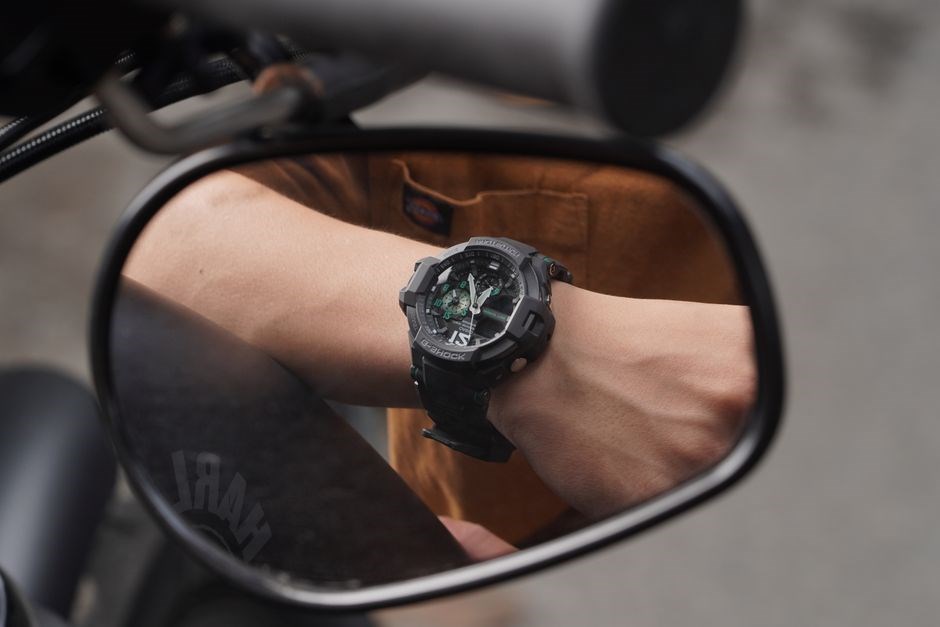
Casio G‑Shock watches combine durability with a wide array of features․ The first step is to understand the button layout: the top button (Mode) cycles through the main functions; the bottom button (Adjust) locks in changes; the left and right side buttons provide additional control such as setting the date or switching between sub‑modes․ Once the watch is powered on, the display will show the current time․ To enter a sub‑mode, press Mode until the desired function appears, then press Adjust to move the cursor to the element you wish to edit․ Use the side buttons to change the value, and press Adjust again to confirm․ The watch’s internal clock runs on a quartz crystal, so it is highly accurate, but it may drift slightly over time; a quick recalibration can be performed by setting the time to the correct value․ The G‑Shock’s shock‑resistant case protects the internal components from impact, yet it is still advisable to avoid exposing the watch to extreme temperatures or direct contact with water unless the model is rated for such conditions․ The backlight feature is activated by pressing the Light button; this illuminates the display for use in low‑light situations․ If model includes a world‑time, switch between time zones by pressing Mode until the World Time mode appears, using Adjust to select zone․ The watch also offers a stopwatch and countdown timer; these are accessed by pressing Mode until the Stopwatch or Countdown mode appears, using Adjust to start, stop, or reset the timer․ Battery replacement is straightforward: open the case back with a small screwdriver, replace the CR‑2032 battery, and close the back․ The watch’s power‑saving mode can be enabled by pressing the Power‑Save button; this reduces power consumption when the watch is not in use․ By following these steps, you can fully utilize the features of your Casio G‑Shock and keep it running reliably for years to come․
Indicators
The Casio G‑Shock watch uses a set of visual and auditory indicators to inform the user about its status and functions․ The primary indicator is the digital display, which shows the time, date, and any active sub‑mode․ A blinking colon between hours and minutes indicates that the watch is in time‑setting mode; a solid colon means normal operation; The backlight, activated by the Light button, illuminates the display and can be set to automatic, on, or off․ When the watch is in power‑save mode, a dimmed display and a faint “PS” icon appear․ The alarm indicator flashes on the display when an alarm is set; the alarm tone can be heard when the alarm time is reached․ The stopwatch and countdown timer show a red flashing bar to indicate that the timer is running․ The battery status is indicated by a battery icon that flashes when the battery is low․ The world‑time indicator shows a small globe icon when the watch is in world‑time mode; The watch also uses a series of beeps to confirm actions: a short beep for a successful change, a long beep for an error, and a double beep for a reset․ These indicators help the user navigate the watch’s functions quickly and accurately․ All these indicators work to give feedback user can operate a watch without consulting the manual․
Graphic Display Area
The graphic display area of a Casio G‑Shock watch is a versatile interface that presents information in a clear, color‑coded format․ The main screen shows the time in a 24‑hour or 12‑hour format, with a blinking colon indicating time‑setting mode․ Below the time, the date, day of the week, and month are displayed in a smaller font․ When the watch is in sub‑mode, such as world‑time, stopwatch, or countdown timer, the graphic area changes to show the relevant data: a world‑time map with the current city highlighted, a stopwatch counter with lap indicators, or a countdown timer with a progress bar․ The display also includes icons for battery status, alarm, and power‑save mode․ Users can toggle between different display styles, such as a monochrome mode for low‑power use or a full‑color mode for detailed information․ The backlight can be set to automatic, on, or off, and the brightness level can be adjusted to suit ambient lighting conditions․ The watch’s firmware allows for custom themes, enabling users to choose background colors and font styles․ All these features are explained in the instruction manual, which provides step‑by‑step guidance on how to navigate the graphic display, change settings, and interpret the icons․ By mastering the graphic display area, users can quickly access the information they need and enjoy the full functionality of their G‑Shock watch․ This guide helps users confidently operate their G‑Shock watch!!!
Navigating Between Modes
On a Casio G‑Shock watch, mode navigation is performed with the two side buttons and the center button․ Pressing the left button cycles backward through the main modes (time, world‑time, stopwatch, countdown, alarm, etc․), while the right button cycles forward․ The center button confirms a selection or enters a sub‑mode․ To access sub‑functions, press the left button to highlight the desired function, then press the center button to enter it․ For example, to switch from the main time display to the world‑time map, press the right button until the world‑time icon appears, then press the center button to view the map․ Within the world‑time map, the left and right buttons move the cursor between cities; the center button selects a city and returns to the main display․ The stopwatch mode is entered by pressing the right button until the stopwatch icon appears, then pressing the center button to start timing․ Press the center button again to stop, and press the left button to reset or record laps․ The countdown timer is accessed similarly: right button to the timer icon, center button to start, left button to reset․ The alarm mode is entered by right button until the alarm icon appears, then center button to set the time, and left button to toggle the alarm on or off․ The watch’s firmware also supports custom modes; these can be accessed by cycling through the main modes until the custom icon appears, then using the center button to enter the custom function․ The manual provides detailed instructions for each mode, including how to adjust settings, view data, and return to the main display․ By mastering these button combinations, users can efficiently navigate all the features of their G‑Shock watch․
How to Use (YouTube)
Casio G‑Shock owners often turn to YouTube for visual guidance․ Search for the model number or “G‑Shock manual” to find step‑by‑step videos covering everything from basic time setting to advanced features like world‑time, stopwatch, and countdown timer․ Most channels provide clear screen‑recordings of the watch’s interface, with voice‑over explanations of button functions and menu navigation․ For battery replacement, look for “G‑Shock battery change” videos that show how to open the back case, remove the old battery, and insert a fresh one․ Many creators also demonstrate how to reset the watch, calibrate the world‑time, and use the alarm function․ Watching these tutorials helps users avoid common mistakes, such as pressing the wrong button or mis‑reading the digital display․ Some channels offer series of videos for specific series (e․g․, G‑Shock GA‑2100, G‑Shock GW‑G120), ensuring that the instructions match the exact model․ When following a video, pause frequently to practice the steps on your own watch․ If a video is unclear, consult the official PDF manual linked in the description for precise button sequences․ Finally, many YouTube creators provide tips on maintaining the watch’s water‑resistance, cleaning the crystal, and troubleshooting common issues․ By combining visual tutorials with the printed manual, users gain a comprehensive understanding of their G‑Shock’s capabilities․ Creators also share tutorials on customizing watch faces, syncing with smartphones, and using G‑Shock’s Bluetooth features․ These guides help users personalize their timepieces and enhance connectivity, making the watch both functional and stylish for daily use and special occasions․ Additionally, many creators upload comparison videos that showcase the durability of G‑Shock watches under extreme conditions, such as shock tests, water submersion, and temperature extremes․ These demonstrations reinforce the watch’s reputation for toughness and provide real‑world evidence of its performance․ For users who prefer written instructions, the official Casio website hosts downloadable PDFs that mirror the video content, ensuring consistency across media․ By leveraging both visual and textual resources, users can master every function of their G‑Shock with confidence and ease․ Enjoy exploring and learn!??․