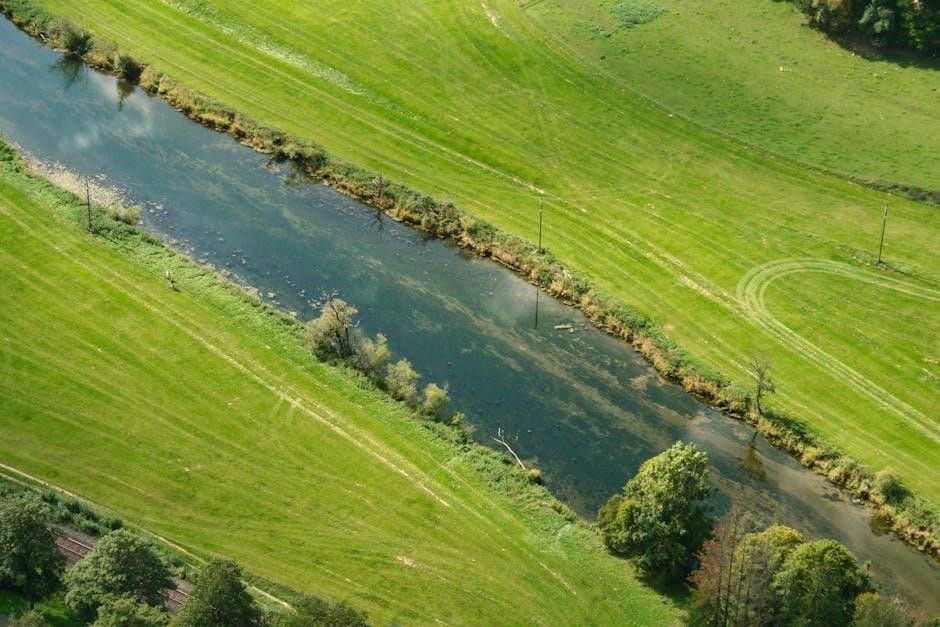
eDNA sampling‚ exemplified by pilot campaigns in the Gulf of Porto‚ offers a novel approach to environmental monitoring․ Young students actively participate in sample collection‚ enhancing understanding․
What is Environmental DNA (eDNA)?
Environmental DNA (eDNA) represents genetic material shed by organisms into their surroundings․ This includes cells‚ tissues‚ and waste products released into water‚ sediment‚ or even air․ Recent initiatives‚ like those conducted by Fisheries and Oceans Canada utilizing a buoy off Rimouski‚ demonstrate eDNA’s power․
The pilot sampling campaign in the Gulf of Porto‚ involving students from the Ota-Porto school near the World Heritage site‚ highlights how eDNA captures biodiversity․ Analyzing this genetic trace allows researchers to detect the presence of species without directly observing them‚ offering a non-invasive monitoring technique․
Why Use eDNA for Environmental Monitoring?
eDNA monitoring provides a sensitive and efficient method for assessing environmental health and biodiversity․ Traditional methods can be time-consuming and invasive‚ whereas eDNA offers a non-destructive alternative․ The work at the Maurice-Lamontagne Institute‚ utilizing buoy data near Rimouski‚ exemplifies this advantage․
The Gulf of Porto pilot project‚ engaging young students in sampling within its protected areas (Calanche de Piana‚ Girolata‚ Scandola)‚ showcases eDNA’s ability to detect species presence quickly and cost-effectively‚ aiding conservation efforts․
Planning Your eDNA Sampling Project
Successful eDNA projects‚ like those in the Gulf of Porto‚ require careful planning․ Defining objectives and considering spatial scales are crucial for effective analysis․
Defining Sampling Objectives
Clearly articulating sampling objectives is paramount for a successful eDNA study․ As demonstrated by research initiatives – including those utilizing data from buoys off Rimouski and pilot programs in the Gulf of Porto – the initial question dictates the entire workflow․ Are you aiming to assess biodiversity‚ detect invasive species‚ or monitor endangered populations?
Specific goals will influence decisions regarding target organisms‚ sampling locations‚ and the necessary analytical sensitivity․ The involvement of young students from the Ota-Porto school highlights the importance of a focused approach‚ ensuring data collection directly addresses the defined research question․
Identifying Target Species/Organisms
Precisely identifying target species is crucial‚ building upon clearly defined sampling objectives․ The Gulf of Porto’s campaign‚ focusing on areas like Scandola reserve‚ exemplifies this – researchers likely had pre-defined species of interest for that unique ecosystem․ Prior knowledge of potential inhabitants‚ coupled with the study’s goals‚ guides primer design for PCR or NGS analysis․
Consider both known and potentially present organisms․ Engaging students from Ota-Porto school emphasizes the need to understand the local fauna and flora to effectively target eDNA analysis․
Determining Spatial and Temporal Scale
Establishing appropriate spatial and temporal scales is vital for effective eDNA monitoring‚ as demonstrated by the Gulf of Porto sampling campaign․ Covering diverse locations – Calanche de Piana‚ Girolata‚ Scandola – indicates a broad spatial scope․ The timing of sampling‚ though not detailed here‚ is equally important; seasonal variations impact eDNA presence․
Consider organism life cycles and dispersal patterns․ Frequent sampling may be needed for rapidly changing environments‚ while infrequent sampling suffices for stable ones․ Student involvement highlights the importance of consistent data collection over time;
eDNA Sampling Methods
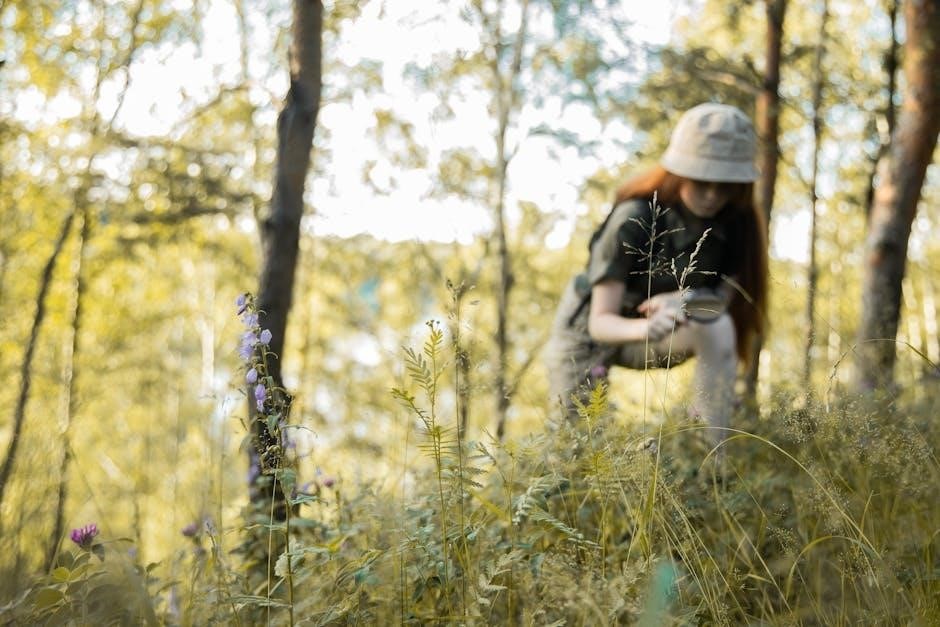
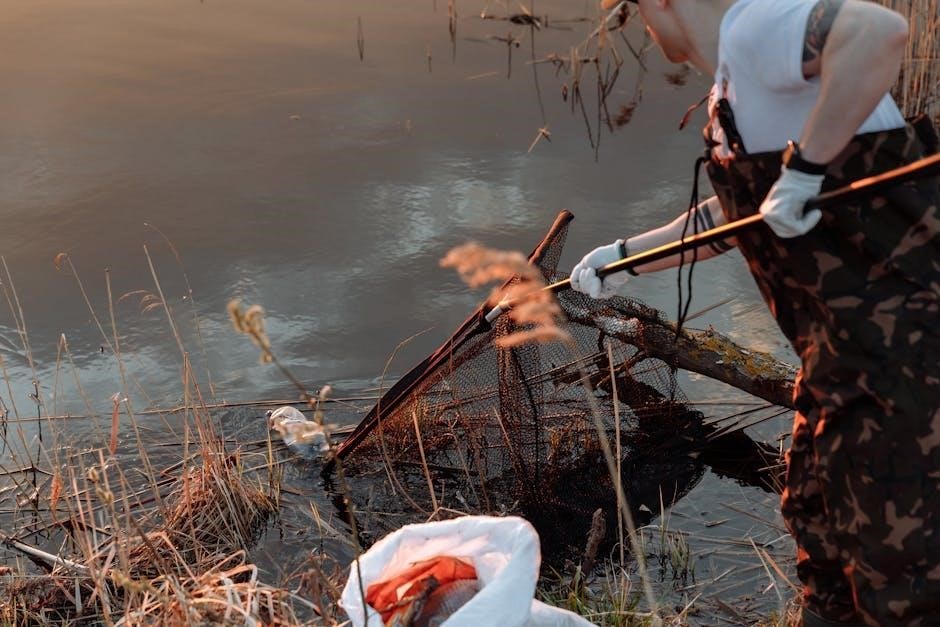
eDNA sampling in the Gulf of Porto involved young students collecting samples‚ indicating a focus on practical‚ hands-on techniques for environmental analysis․
Water Sampling Techniques
Effective water sampling is crucial for eDNA analysis‚ as demonstrated by initiatives in locations like the Gulf of Porto․ The involvement of students from the Ota-Porto school highlights a commitment to engaging future scientists in these processes․ While specific techniques aren’t detailed in the provided text‚ the context suggests a focus on collecting representative samples from surface waters and potentially at varying depths․ Successful eDNA detection relies on careful collection and preservation to avoid contamination and degradation of the genetic material present within the water column․ Further research would detail specific filtration protocols․
Surface Water Sampling
Although the provided text doesn’t detail specific surface water sampling protocols‚ the Gulf of Porto eDNA campaign likely employs this fundamental technique․ The participation of young students from the Ota-Porto school suggests a simplified approach suitable for educational purposes․ Surface sampling involves collecting water directly from the water’s surface‚ often using bottles or specialized sampling devices․ This method is valuable for detecting organisms that inhabit the upper water layers‚ but may not represent the entire aquatic community․ Careful attention to avoiding contamination is paramount during collection․
Depth-Integrated Sampling
While the provided source doesn’t explicitly mention depth-integrated sampling‚ it’s a crucial technique for comprehensive eDNA analysis‚ particularly in varied environments like the Gulf of Porto․ This method aims to obtain a representative sample from the entire water column‚ overcoming limitations of surface sampling․ Techniques include using weighted bottles or pumps lowered to specific depths‚ or deploying integrated samplers that collect water as they are moved vertically․ This approach provides a more accurate reflection of the overall biodiversity present within the water body․
Filtering Water Samples
Following collection‚ water samples undergo filtration – a critical step in eDNA analysis‚ though not directly detailed in the provided text․ This process concentrates the eDNA present in large water volumes onto a filter․ Pore size selection is vital; typically‚ filters with 0․22µm pores are used to capture both free DNA and microbial cells․ Careful handling prevents contamination․ Filters are then preserved appropriately (e․g;‚ frozen or in ethanol) awaiting DNA extraction‚ ensuring the integrity of the collected environmental DNA for subsequent analysis․
Sediment Sampling Techniques
While the provided text doesn’t detail sediment sampling‚ it’s crucial for comprehensive eDNA analysis‚ particularly in aquatic environments․ Sediment acts as a DNA reservoir‚ preserving genetic material over extended periods․ Two primary techniques exist: core sampling‚ retrieving vertical profiles‚ and grab sampling‚ collecting surface sediments․ Both require sterile equipment to avoid contamination․ Samples are stored frozen or preserved to prevent DNA degradation‚ offering a historical record of species presence within the ecosystem‚ complementing water column eDNA data․
Core Sampling
Although the source material lacks specifics on core sampling‚ this technique is vital for reconstructing past ecological conditions․ It involves extracting cylindrical sediment cores‚ revealing a chronological DNA profile․ Layers represent different time periods‚ allowing researchers to track species’ historical presence and environmental changes․ Sterile corers are essential to prevent contamination․ Core sections are carefully subsampled‚ preserving stratigraphic context․ This method provides a valuable‚ time-integrated perspective‚ complementing snapshot eDNA assessments from water samples‚ particularly in areas like the Gulf of Porto․
Grab Sampling
Similar to core sampling‚ detailed information on grab sampling within the provided text is absent‚ yet it remains a crucial sediment eDNA collection method․ Grab samplers collect a surface sediment sample‚ offering a contemporary snapshot of the benthic community’s DNA․ This is particularly useful for detecting currently present species․ Multiple grabs are recommended to account for sediment heterogeneity․ Sterile techniques are paramount to avoid contamination‚ mirroring best practices in the Gulf of Porto’s eDNA initiatives․ Grab samples complement water column eDNA data‚ providing a holistic view․
Air Sampling Techniques (Emerging Methods)
The provided text does not detail air sampling techniques for eDNA‚ indicating it’s an emerging field․ However‚ airborne eDNA analysis is gaining traction for terrestrial biodiversity assessments․ This involves collecting particulate matter containing DNA shed by organisms․ Specialized filters and high-volume air samplers are employed․ Challenges include low DNA concentrations and atmospheric transport complexities․ Further research is needed to standardize protocols and validate results‚ potentially mirroring the rigorous approaches used in marine environments like the Gulf of Porto․
Filtration and DNA Extraction
Following sample collection‚ appropriate filter selection is crucial for capturing eDNA․ Subsequent DNA extraction utilizes commercial kits or manual methods for analysis․
Filter Selection Criteria
Choosing the correct filter is paramount for successful eDNA analysis․ Pore size dictates which DNA fragments are retained; typically‚ filters with 0;22 μm are preferred to capture both free-floating and cell-bound eDNA․ Material compatibility is also vital – filters should not leach substances that inhibit PCR or bind DNA non-specifically․
Consider the sample matrix; for instance‚ high-particulate water may require pre-filtration to prevent clogging․ Filter capacity determines the maximum volume of water processed‚ influencing detection limits․ Finally‚ assess filter sterility to minimize contamination risks‚ ensuring accurate representation of the environmental sample․ Proper filter selection directly impacts the reliability of downstream analyses․
DNA Extraction Protocols
Efficient DNA extraction is crucial following filtration‚ releasing genetic material from captured particles․ Protocols vary‚ encompassing both commercial kits and manual methods․ Commercial kits offer convenience and standardization‚ often employing spin-column technology for purification․ Manual methods‚ like bead-beating‚ can be optimized for specific sample types‚ maximizing DNA yield․
Regardless of the approach‚ minimizing contamination is paramount․ Employing sterile techniques‚ dedicated equipment‚ and appropriate controls are essential․ DNA quality and quantity should be assessed post-extraction using spectrophotometry‚ ensuring suitability for subsequent PCR or NGS analyses․
Commercial DNA Extraction Kits
Utilizing commercial DNA extraction kits streamlines the process‚ offering pre-optimized reagents and protocols for eDNA samples․ These kits frequently employ spin-column technology‚ efficiently binding DNA while removing inhibitors․ Selection depends on sample matrix – water‚ sediment‚ or air – and desired DNA purity․
Kits provide consistent results and reduce hands-on time‚ minimizing contamination risks․ Following manufacturer’s instructions precisely is vital․ Quality control checks‚ like spectrophotometry‚ confirm DNA yield and assess purity before downstream applications like PCR or NGS․
Manual DNA Extraction Methods
While commercial kits are prevalent‚ manual DNA extraction remains viable‚ particularly when cost is a concern or for specialized applications․ These methods typically involve cell lysis using detergents and enzymes‚ followed by DNA purification through phenol-chloroform extraction or ethanol precipitation․
Manual approaches demand meticulous technique to avoid contamination and DNA degradation․ They are more labor-intensive and require optimization for specific sample types․ Careful attention to reagent quality and thorough washing steps are crucial for obtaining high-quality eDNA․
eDNA Analysis Techniques
Analyzing collected eDNA utilizes methods like PCR‚ qPCR‚ and next-generation sequencing to identify species and assess biodiversity from environmental samples․
Polymerase Chain Reaction (PCR)
Polymerase Chain Reaction (PCR) is a foundational technique in eDNA analysis‚ enabling the amplification of specific DNA fragments from environmental samples․ This process involves repeated cycles of heating and cooling‚ utilizing primers designed to target particular species or genes․ PCR allows for the detection of even trace amounts of eDNA‚ making it crucial for identifying rare or elusive organisms․ However‚ PCR’s sensitivity also necessitates stringent quality control measures to prevent false positives due to contamination․ Careful primer design and optimization are essential for accurate and reliable results‚ ensuring specificity and minimizing non-target amplification․
Quantitative PCR (qPCR)
Quantitative PCR (qPCR) builds upon standard PCR by allowing for the real-time monitoring of DNA amplification․ This provides a quantitative measure of the initial eDNA concentration in the sample‚ offering insights into species abundance․ Utilizing fluorescent dyes or probes‚ qPCR tracks the increase in DNA during each cycle‚ generating a quantifiable signal․ This technique is particularly valuable for assessing changes in biodiversity over time or space‚ and for comparing eDNA levels across different environmental conditions․ Accurate quantification relies on standardized protocols and careful calibration․
Next-Generation Sequencing (NGS)
Next-Generation Sequencing (NGS) represents a powerful‚ high-throughput approach to eDNA analysis‚ enabling the simultaneous detection of numerous species․ Unlike qPCR‚ NGS doesn’t require prior knowledge of target species‚ allowing for comprehensive biodiversity assessments․ Millions of DNA fragments are sequenced in parallel‚ providing a detailed snapshot of the genetic material present in the environmental sample․ This method is crucial for uncovering rare or unexpected species‚ and for characterizing complex ecological communities‚ particularly within areas like the Gulf of Porto․
Quality Control and Assurance
Rigorous quality control‚ including field blanks and preventing lab contamination‚ is essential for reliable eDNA data‚ mirroring best practices in environmental analyses․
Field Blanks and Negative Controls
Implementing robust field blanks and negative controls is paramount for validating eDNA results and discerning genuine signals from contamination․ Field blanks‚ processed identically to samples but using sterile water‚ reveal potential contamination during collection and transport․ Negative controls‚ run alongside DNA extraction and PCR‚ identify laboratory-introduced contaminants․
These controls are crucial‚ especially given the sensitivity of eDNA techniques; Careful documentation of all control procedures is vital for data interpretation and ensuring the reliability of environmental assessments‚ as demonstrated in ongoing sampling initiatives like those in the Gulf of Porto․
Laboratory Contamination Prevention
Stringent laboratory protocols are essential to prevent contamination‚ a significant concern in eDNA analysis due to its high sensitivity․ Dedicated pre-PCR and post-PCR workspaces‚ utilizing separate equipment and reagents‚ minimize cross-contamination․ Regular cleaning with DNA-degrading agents‚ like bleach or commercial DNA removers‚ is crucial․
Personnel should wear gloves and lab coats‚ changing them frequently․ Proper handling of samples and meticulous record-keeping are vital‚ mirroring the careful procedures employed by institutions like the Maurice-Lamontagne Institute during eDNA research․
Data Validation and Verification
Robust data validation is paramount for reliable eDNA results‚ ensuring accuracy in environmental assessments․ Comparing results against field blanks and negative controls helps identify potential contamination․ Employing multiple analytical replicates and independent laboratories strengthens confidence in findings‚ mirroring rigorous scientific standards․
Statistical analysis and bioinformatic pipelines should be carefully reviewed․ Data from the Gulf of Porto sampling initiatives‚ involving student participation‚ necessitate thorough verification to support informed conservation decisions․
Specific Applications of eDNA in Environmental Analysis
eDNA analysis‚ demonstrated in the Gulf of Porto‚ aids biodiversity assessment‚ invasive species detection‚ and monitoring endangered species within sensitive ecosystems․
Biodiversity Assessment
eDNA provides a powerful‚ non-invasive tool for comprehensive biodiversity assessments‚ surpassing traditional methods in efficiency and scope․ Sampling initiatives‚ like those conducted in the Gulf of Porto’s protected areas – Calanche de Piana‚ Girolata‚ and Scandola – reveal species presence with remarkable accuracy․ This approach detects even rare or elusive organisms‚ offering a holistic view of ecosystem composition․
By analyzing environmental DNA from water samples‚ researchers can identify a wide range of species‚ including fish‚ invertebrates‚ and even microorganisms‚ contributing to a detailed understanding of ecological health and species distribution patterns․
Invasive Species Detection
eDNA sampling offers a highly sensitive method for the early detection of invasive species‚ crucial for effective management and conservation efforts․ The pilot sampling campaign within the Gulf of Porto’s unique ecosystem demonstrates this capability․ Detecting invasive species early minimizes ecological disruption and associated costs․
Analyzing water samples for the presence of non-native DNA allows for rapid identification‚ even before populations become established and visually detectable‚ providing a proactive approach to invasive species control․
Monitoring Endangered Species
eDNA analysis provides a non-invasive method for monitoring endangered species‚ minimizing disturbance to sensitive populations and habitats․ The work conducted near the UNESCO World Heritage site in the Gulf of Porto highlights this benefit․ Traditional survey methods can be intrusive and costly‚ while eDNA offers a complementary approach․
Detecting the presence of rare species through environmental DNA allows for targeted conservation strategies and informed decision-making‚ aiding in their long-term survival․
Water Quality Assessment
While primarily focused on biodiversity‚ eDNA techniques are increasingly utilized for assessing water quality parameters․ Analyzing microbial eDNA can reveal information about pollutant sources and the overall health of aquatic ecosystems‚ complementing traditional chemical analyses․
The Canadian research‚ utilizing buoy data‚ demonstrates a commitment to comprehensive environmental monitoring․ eDNA offers a rapid and cost-effective method for detecting harmful algal blooms or bacterial contamination‚ crucial for protecting water resources․
Case Studies: eDNA Sampling in Action
eDNA monitoring thrives in diverse environments‚ like the Gulf of Porto‚ and freshwater ecosystems‚ with student involvement showcasing practical applications of this innovative technique․
eDNA Monitoring in Marine Environments (Gulf of Porto Example)
The Gulf of Porto serves as a compelling case study for eDNA application‚ particularly within its UNESCO World Heritage sites․ Researchers from Fisheries and Oceans Canada utilize data from buoys positioned off Rimouski‚ mirroring efforts in the Gulf․ A pilot eDNA sampling campaign focused on key locations – the calanche of Piana‚ the gulf of Girolata‚ the Scandola reserve‚ and other heritage sites – demonstrating the method’s viability in coastal marine environments․
Notably‚ young students from the Ota-Porto school actively participated‚ collecting samples and sharing their experiences‚ fostering a new generation of environmental scientists and highlighting community engagement․
eDNA Applications in Freshwater Ecosystems
While the provided text primarily focuses on marine environments like the Gulf of Porto‚ the principles of eDNA sampling readily translate to freshwater ecosystems․ The pilot sampling campaign methodology – involving targeted collection from specific locations – is equally applicable to rivers‚ lakes‚ and streams;
The engagement of young students in sample collection‚ as seen at the Ota-Porto school‚ underscores the potential for educational outreach within freshwater monitoring programs․ Further research is needed to detail specific freshwater applications‚ building upon the foundational techniques demonstrated in marine settings․
eDNA Use in Terrestrial Environments
The provided source material concentrates on aquatic eDNA sampling‚ specifically within the Gulf of Porto’s marine and potentially coastal freshwater zones․ However‚ the core concept of environmental DNA analysis extends to terrestrial ecosystems․ While not explicitly detailed in the given text‚ applying similar sampling strategies – adapted for soil‚ air‚ and surfaces – is a growing field․
The student involvement from the Ota-Porto school highlights a transferable educational component․ Future research will define optimal terrestrial eDNA collection and analysis protocols‚ mirroring the advancements in aquatic methodologies․
Challenges and Future Directions
Expanding eDNA applications‚ like the Gulf of Porto pilot‚ requires standardized methods and improved detection limits for reliable environmental assessments․
Standardization of eDNA Methods
Currently‚ a significant challenge lies in the lack of universally accepted protocols for eDNA sampling and analysis․ The pilot campaign in the Gulf of Porto‚ involving student participation‚ highlights the need for consistent methodologies․ Variations in collection techniques – water‚ sediment‚ or emerging air sampling – and DNA extraction protocols introduce considerable bias․ Establishing standardized filtration processes‚ DNA extraction kits‚ and PCR/NGS analysis pipelines is crucial․ This will ensure comparability of data across different studies and locations‚ fostering robust environmental monitoring and informed conservation efforts․ Further research should focus on inter-laboratory comparisons and validation of standardized workflows․
Improving eDNA Detection Limits
Detecting rare or low-abundance species remains a key limitation in eDNA analysis․ The work conducted by researchers at Maurice-Lamontagne Institute‚ utilizing buoy data near Rimouski‚ underscores this challenge․ Enhancing sensitivity requires optimizing sample volumes‚ filtration efficiency‚ and DNA extraction yields․ Novel amplification techniques‚ beyond standard PCR and qPCR‚ are needed․ Furthermore‚ minimizing background noise and contamination during sampling and laboratory processing is paramount․ Advancements in NGS technologies and bioinformatics pipelines will also contribute to improved detection of faint eDNA signals‚ enabling more comprehensive biodiversity assessments․
Data Analysis and Interpretation
Accurate interpretation of eDNA data requires robust bioinformatics pipelines and statistical analyses․ The successful eDNA monitoring in the Gulf of Porto‚ involving student participation‚ highlights the need for clear data presentation․ Challenges include differentiating between true positives and false positives‚ accounting for DNA degradation‚ and relating eDNA concentrations to organismal abundance․ Standardized protocols for data normalization and quality control are crucial․ Furthermore‚ integrating eDNA results with other environmental data sources will provide a more holistic understanding of ecosystem dynamics and inform effective conservation strategies․

Resources and Further Information
Explore scientific publications and online databases for eDNA protocols‚ mirroring the Gulf of Porto’s research․ Connect with professional organizations for updated guidance․
Relevant Scientific Publications
Accessing peer-reviewed literature is crucial for understanding eDNA methodologies․ Research stemming from institutions like the Maurice-Lamontagne Institute‚ involved in Gulf of Porto monitoring‚ provides valuable insights․ Seek publications detailing sampling protocols for diverse environments – marine‚ freshwater‚ and terrestrial․
Focus on studies addressing DNA extraction‚ PCR techniques (including qPCR)‚ and Next-Generation Sequencing (NGS) applications․ Publications detailing quality control measures‚ contamination prevention‚ and data validation are also essential․ Explore databases like Web of Science‚ Scopus‚ and Google Scholar using keywords like “environmental DNA‚” “eDNA sampling‚” and “biodiversity assessment” to locate relevant research articles․
Online Databases and Tools
Several online resources support eDNA research and analysis․ Explore databases compiling eDNA occurrences‚ aiding in species distribution mapping‚ particularly relevant to monitoring efforts like those in the Gulf of Porto․
Utilize bioinformatics tools for sequence analysis‚ taxonomic assignment‚ and data visualization․ Platforms offering curated reference databases are invaluable for accurate species identification․ Websites maintained by research institutions (e․g․‚ Fisheries and Oceans Canada) often provide access to datasets and analytical pipelines․ Consider tools for quality control and contamination assessment to ensure data reliability․
Professional Organizations
Engaging with professional organizations fosters collaboration and knowledge exchange in the eDNA field․ Institutions like Fisheries and Oceans Canada actively contribute to eDNA research‚ exemplified by their work with the Rimouski buoy and Gulf of Porto sampling․
Consider joining societies focused on molecular ecology‚ conservation genetics‚ and aquatic sciences․ These groups often host workshops‚ conferences‚ and webinars on eDNA methodologies․ Networking with experts can provide valuable insights and support for your eDNA sampling projects‚ especially those involving community participation like the Ota-Porto school initiative․